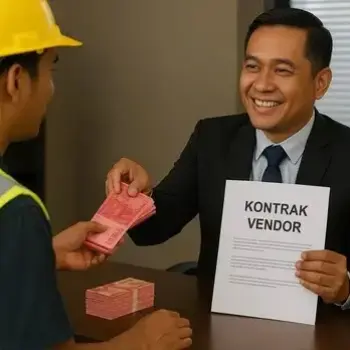


Between “There’s No Free Lunch” and the Price to Pay
An Old Saying That's Always Relevant
There's a timeless adage: "There's no such thing as a free lunch."
The meaning is simple—every seemingly "free" good deed almost always has a purpose, a purpose, or a price to pay, whether now or later.
In the context of communities—whether housing communities, social organizations, associations, cooperatives, or neighborhood associations—this adage is often evident through the buzzer phenomenon.
Buzzers aren't just about national politics or major social media platforms. At the community level, buzzers are closer, quieter, and often more dangerous because they directly affect the lives of many people: security, comfort, and especially property value.
Who is a Buzzer in the Community?
Buzzers in the community are individuals or small groups who:
- Actively defending the board or sole fund holder.
- Attacking, undermining, or silencing critical parties.
- Steering opinion to make the issue appear "fine."
- Steering perceptions, rather than seeking the truth.
They are rarely officially called buzzers. They usually refer to themselves as:
- “Volunteers”
- “Caring people”
- “Keepers of harmony”
- “Comfortable residents”
- “Cohesive residents”
- “Supporters of the management”
But the movement pattern is very distinctive.
Buzzer “Pay”: Cheap, But Expensive in Impact
Unlike professional buzzers in the world of politics or big business, community buzzers are often paid very little:
- Invited to lunch.
- Treated to coffee.
- Earned cigarette money.
- Received small projects, for example:
- Safety attribute/costume projects.
- Physical training projects.
- Event consumption projects.
- Banner, uniform, or ID card printing projects.
The value is small. But the “price” the community pays is very high.
The Main Task of Buzzers in the Community
In general, their tasks can be summarized into several patterns:
1. Turning Manipulation into “Truth”
What is clearly not transparent, is referred to as:
- "It's in accordance with the regulations."
- "It's been discussed internally."
- "It's been agreed upon, although there's no documentation."
- "It's been agreed upon at the House of Representatives (RUTA), just wait for next year's RUTA."
2. Eliminate Transparency
When citizens ask for documents:
- Financial reports.
- Vendor contracts.
- Proof of payment.
- Meeting minutes.
The buzzer's answer is usually:
- "Trust the administrators."
- "Not everything has to be revealed."
- "I'll tell you later when it's all sorted out."
- "That's an internal matter."
3. Obscuring or Deflecting the Problem
Issue A is deflected into issue B.
Criticism about money is answered with stories of good intentions.
Questions about numbers are answered with emotion.
Questions about documents are answered with the administrators' social activities.
4. Answering Without Basis
Answers are often opinions, not data:
- No figures.
- No documents.
- No written evidence.
- No facts.
5. Fooling the Community
With a soothing but empty sentence:
- "Don't worry, everything's safe."
- "No need to worry."
- "It's normal."
- "It's better now than it used to be."
6. Prevent Critical Questions
People who ask questions are often labeled:
- "Causing a commotion."
- "Don't trust the management."
- "Suspicious."
- "Looking for trouble."
- "Against 1,000 people"
7. Building a False Image of the Management
With template sentences:
- “The administrators are not paid.”
- “The administrators work selflessly.”
- “The administrators are sincere.”
- “The administrators are pro bono.”
Then add spices:
- “Respect.”
- “Salute.”
- "Greetings."
All this is repeated over and over until it sounds like truth, like a doctrine, even without proof.
World Figure Quotes on Truth and Power
George Orwell once wrote in 1984:
“In a time of deceit, telling the truth is a revolutionary act.”
And Edmund Burke stated:
“The only thing necessary for the triumph of evil is for good men to do nothing.”
In a community, lies don't always come with shouts.
Often, they come with smiles, free coffee, and sweet words.
Impact of Buzzer Damage
1. Property Asset Value Declines
Environment that:
- Lack of transparency.
- Full of hidden conflicts.
- Controlled by a handful of people.
Will make potential buyers:
- Doubt.
- Fear.
- Offering too low or canceling the purchase.
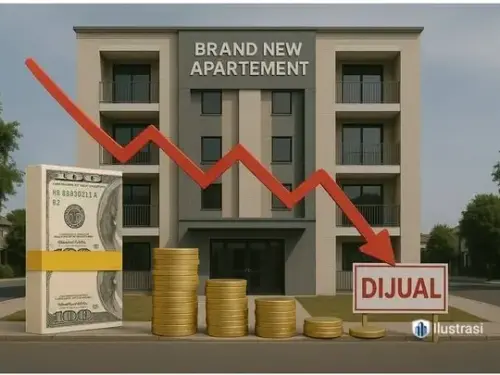
Properties prices fall not because the buildings are bad, but because the management system is broken.
2. Loss of Trust
Citizens no longer believe:
- To the administrators.
- To the neighbors.
- To the community system.
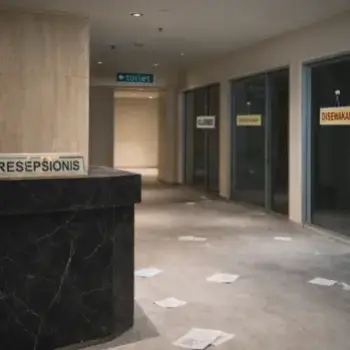
The community changed from a comfortable place to a place of suspicion.
3. Culture of Fear of Asking Questions
People are afraid to speak up.
Afraid of being ostracized.
Afraid of being labeled a rebel.
This is a sign of an unhealthy community.
4. Moral Damage
People learn that:
- Lying is common.
- Manipulation is normal.
- The important thing is to be close to the authorities.
The value of honesty dies slowly.
The Choice is in the Property Owner's Hands
Each owner has two options:
1. Become a Buzzer
Benefits:
- Get free food.
- Get a small project.
- Get the attention of the management.
Disadvantages:
- Participating in destroying the system.
- Participating in covering up the truth.
- Participating in reducing the value of one's own assets.
2. Actively Ask Questions and Demand Transparency
The method is simple:
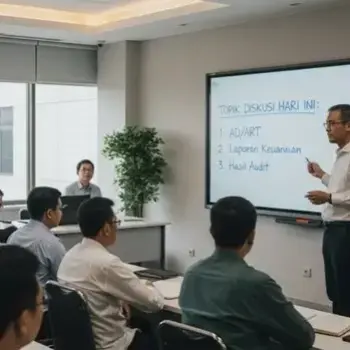
- Request written financial reports.
- Request proof of transactions.
- Request vendor contracts.
- Request meeting minutes.
Not with emotion, but with documents.
Benefits:
- Protecting property values.
- Maintaining a healthy system.
- Preventing manipulation from the outset.
The Only Solution: Asking and Document Transparency
No need for violence.
No need for cursing.
No need for drama.
Just one thing:
Actively ask questions and demand transparency in documents.
Because:
- Honesty isn't afraid of data.
- Good intentions aren't afraid of written reports.
- Clean management isn't afraid of audits.
If they refuse to show documents, then the problem is not with the person asking—the problem is with the person withholding it.
FAQ: The Role of Buzzers in the Community
1. What is the most obvious characteristic of a buzzer in the community?
They always defend the management without data, attack the questioners, and use the same complimentary phrases over and over again without proof.
2. Are all management supporters buzzers?
No. Healthy supporters are willing to disclose data and accept criticism. Buzzers reject transparency and silence questions.
3. Why are buzzers dangerous to property values?
Because they cover up problems. Hidden problems will explode later and create a distrustful environment in the market.
4. Does asking about financial matters mean you don't trust the management?
No. Asking questions is a form of concern. A healthy system invites questions, not avoids them.
5. What is the safest way to deal with buzzers?
Not emotional debates, but consistently requesting documents: financial reports, contracts, and proof of transactions.
Conclusion
“There’s no such thing as a free lunch.”
This isn’t cynical—it’s realistic.
If someone is diligently defending without data, dismissing questions, and praising without reserve, ask:
What does he or she get?
And who is really paying?
In communities, it’s often not the buzzers who pay.
It’s the entire community—in the form of broken trust and declining property values.
There’s always a choice:
- Sacrificing asset value for a free lunch.
- Or safeguarding assets by asking and demanding transparency.
There's only one solution:
Actively ask questions and demand document transparency.